
Manufacturing | DoD | CNC | High Mix - Low Volume
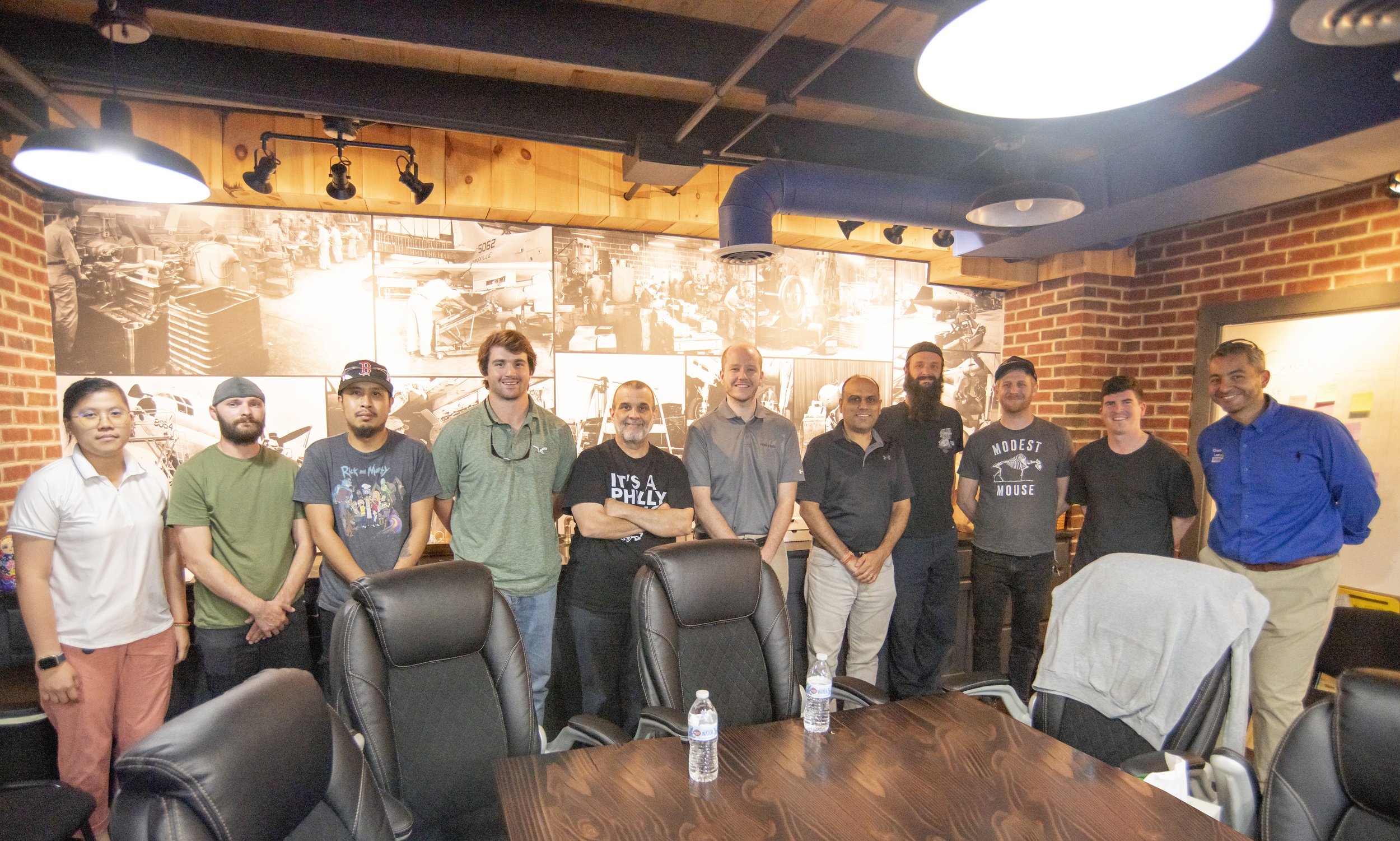
40% faster setup times in a high-mix CNC shop
How Deval Lifecycle Parts unlocked $1.1M/yr in EBITDA without adding headcount or capital investment
The Operational Challenge
Deval Lifecycle Parts runs a high-mix CNC operation supplying the Department of Defense. Long, inconsistent setup times were eating into throughput and limiting their ability to take on more work. For high-mix CNC shops, typically, more work means more setups. Every setup minute saved meant more revenue.
The leadership team has invested in improving team culture and establishing a strong collaborative environment. The leadership team was strategically aligned and educated on the Theory of Constraints and the Rules of Flow by Goldratt; however, they wanted to translate this into tactical changes and measurable improvements in their operational and financial performance. The team needed a behavioral and process change that would stick.
The Flow Ops Approach
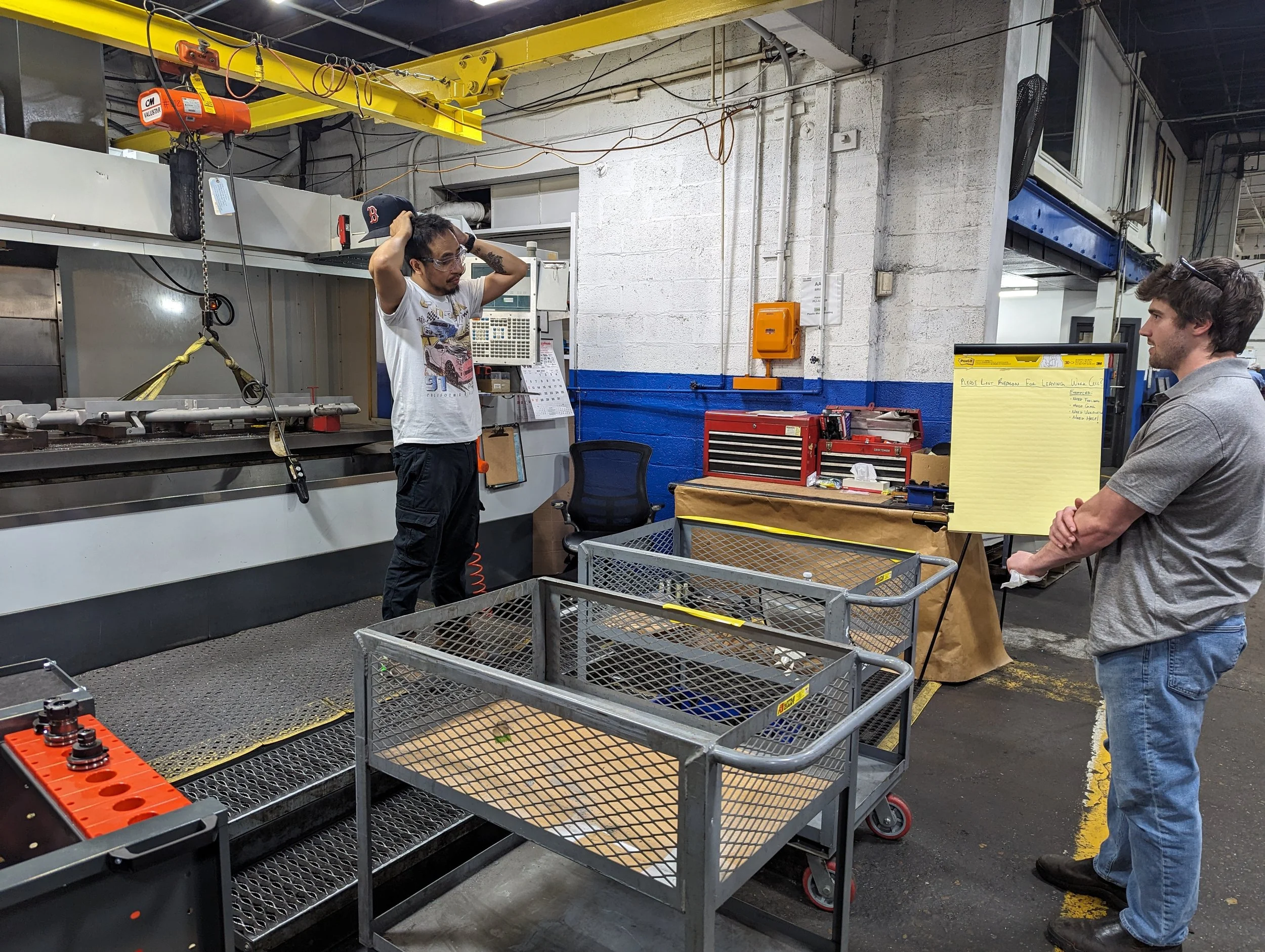
Before anything started, we sat down with Deval's leadership team to understand their specific business goals, shop-floor challenges, and success metrics. From there, we designed a custom 8-week Rules of Flow training program built entirely around their operation, not a generic curriculum dropped on their team.
Every topic, project, and activity was chosen to solve a real problem on Deval's floor. The team wasn't learning theory; they were fixing their own operation in real time.
Weeks 1 → 4
Learning phase
Lean manufacturing basics
5S & visual controls
Theory of constraints
80/20 prioritization
Applied to a selected project
Weeks 5 → 8
Improving phase
KPI visibility & tracking
Practice accountability
Data-driven problem solving
Root cause corrective action
Standardization
What Made it Work
Three things separated this engagement from a typical training program:
Driver 01: Radical focus
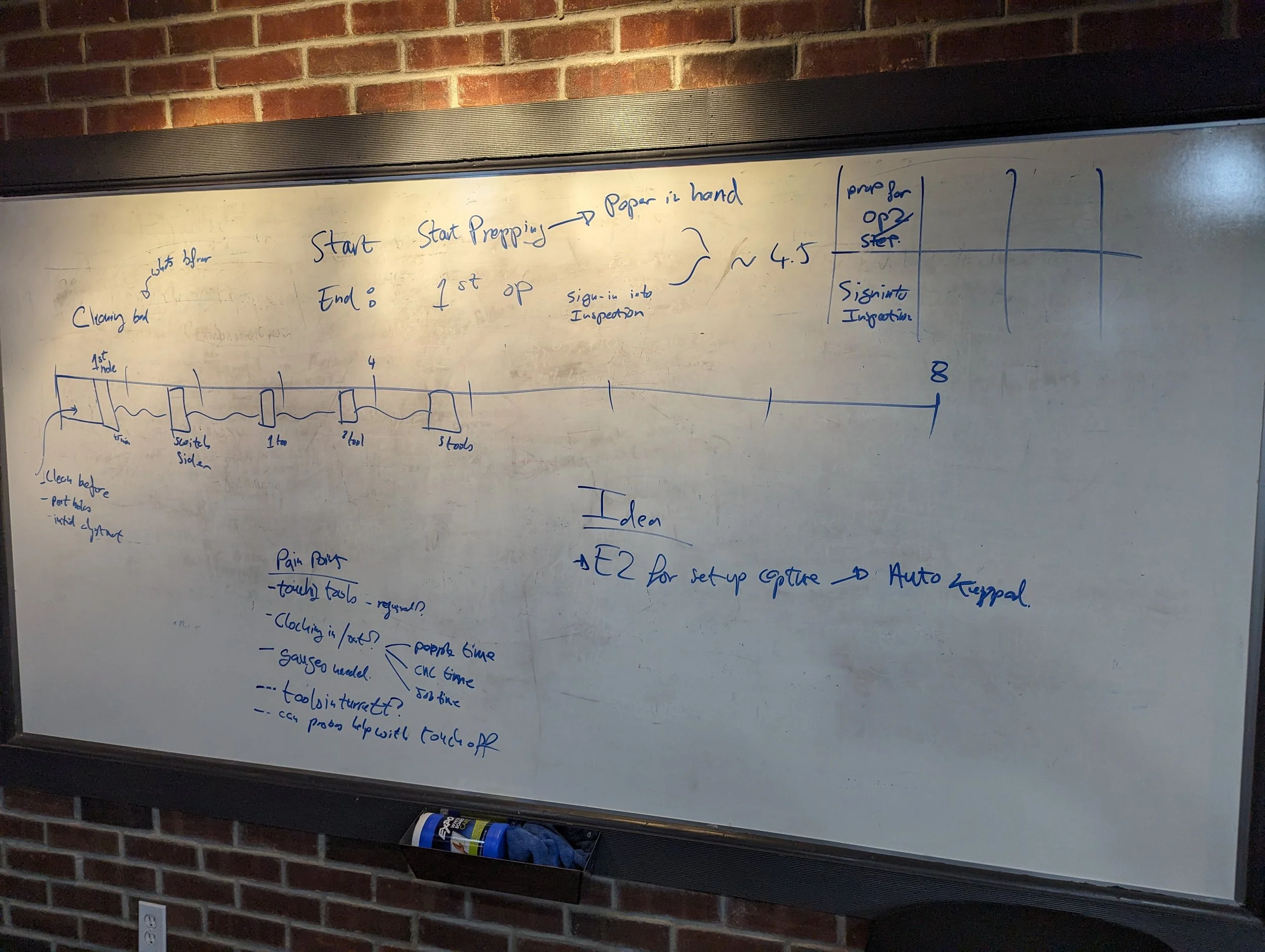
We challenged the leadership team to narrow the scope down to one machine and one SKU. That constraint made everything easier — the team could apply every concept they learned to a real, live priority every single week. By week 5, changes were visible on the shop floor.

Driver 02: Action & accountability built into every session
At the end of each workshop day, actions were assigned to specific team members. The following week, we opened every session with a progress check — KPI status, what was done, what wasn't. There was nowhere to hide. That rhythm drove real accountability into the team week over week.

Driver 03: A culture already primed for change
Before we arrived, Deval's leadership had already invested heavily in building collaborative relationships across teams. That foundation meant the training landed on fertile ground — people were willing to be honest, try things, and hold each other accountable in ways that don't happen in a low-trust environment.
Team & Behavioral Impact
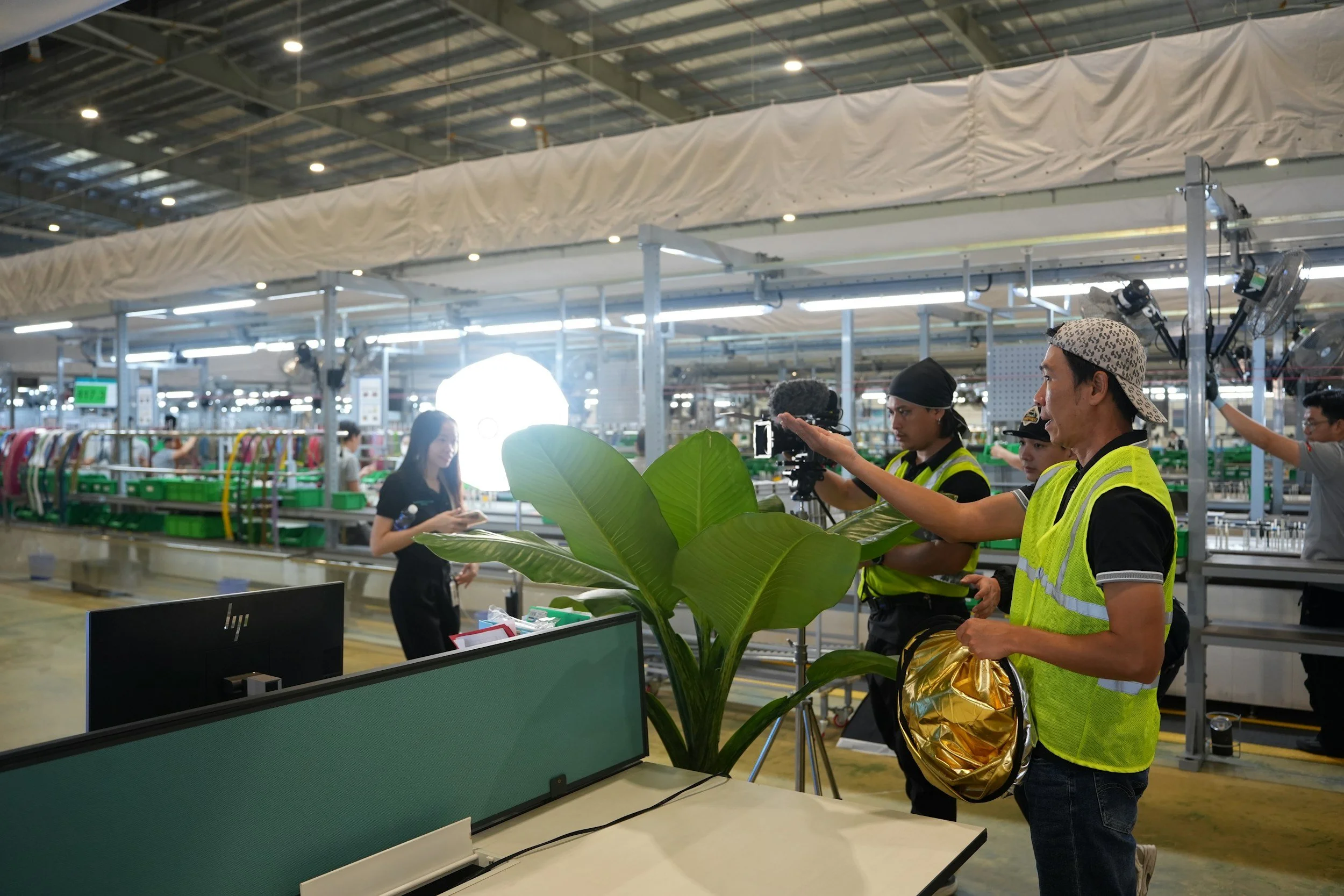
The lasting result wasn't just faster setups — it was a team that knew how to keep improving on their own. Operators, supervisors, and support functions built new habits around preparation, accountability, and daily problem-solving that continued well after the engagement ended.
Accountability routines
Team adopted daily KPI check-ins and setup readiness independently after training ended
Cross-functional ownership
Operations, planning, quality, and shipping aligned around shared goals
“Focusing on a narrow project helped us try improvements quickly. Teamwork, accountability, and lots of ideas”
“Shopfloor activities helped keep momentum — visual examples of what good looks like.”
Self-sustaining gains
Team independently expanded the model to additional work centers without outside support
“Light hearted — not too serious — makes change easy. Tailored curriculum to project needs, not cookie cutter.”
“Phased rollout simplified the tasks ahead. Honesty and collaboration, better than ever.”